Remote Android phones for social media and mobile App operations
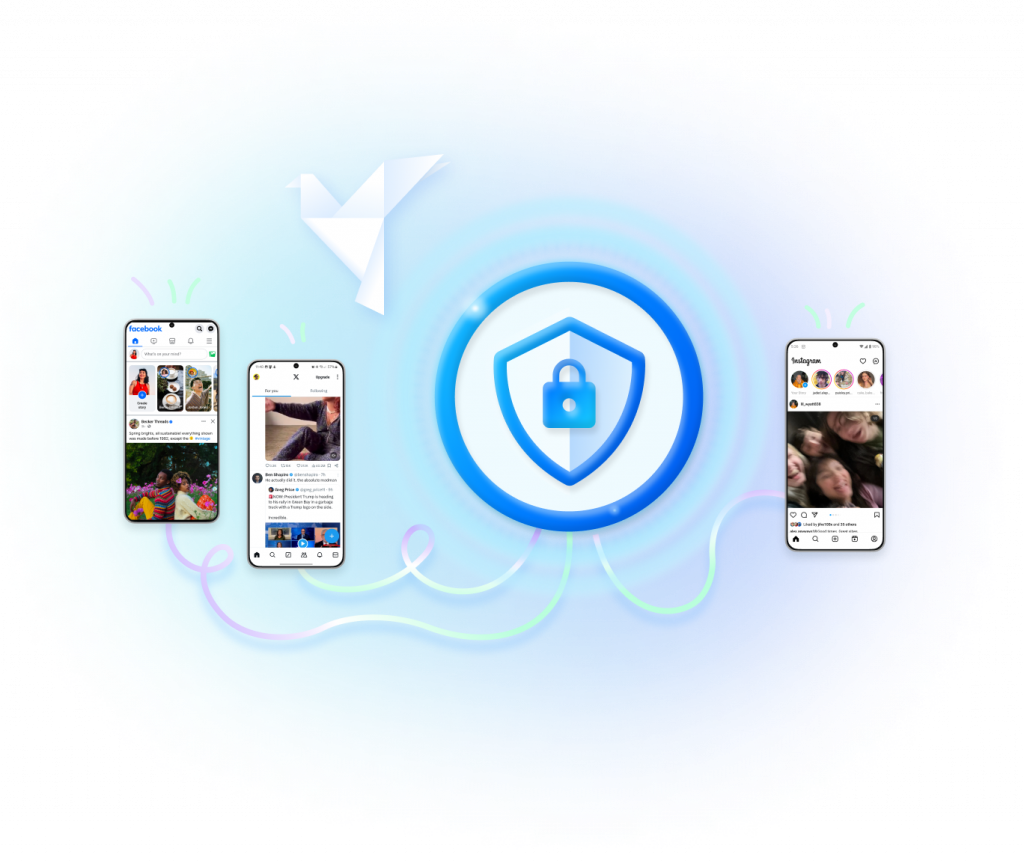
Cloud Android devices
Unique device fingerprints
Proxy and automation support
What is a remote Android phone?
A remote Android phone is a cloud-based Android device that you can access and control from your computer. Instead of buying and maintaining physical phones, you can create virtual Android phones in the cloud, install mobile apps, log in to accounts, configure proxies, and manage mobile workflows remotely.
GeeLark remote phones are designed for teams that need Android environments for social media management, mobile app operations, account isolation, automation, and remote collaboration.
Not a business phone system
GeeLark is not a VoIP or office phone system for making calls. It provides remote Android cloud phones for running mobile apps, managing accounts, setting up proxies, and operating mobile-first workflows from a computer.
Why use remote phones instead of physical devices
Managing many mobile accounts with physical phones is expensive, hard to scale, and difficult for remote teams. Each device needs setup, storage, charging, maintenance, and manual access.
GeeLark remote phones help teams replace scattered physical devices with cloud-based Android phones that can be created, configured, accessed, and managed from one dashboard.
Scale Android environments faster
Create multiple Android cloud phones when your workflow grows, without buying new hardware or setting up local devices one by one.
Access phones from anywhere
Team members can log in from their computers and manage assigned remote phones without needing the physical device in hand.
Reduce device maintenance
Avoid the daily work of charging, storing, updating, and organizing large numbers of physical phones.
Manage social media accounts in isolated remote phones
GeeLark remote phones are built for mobile-first social media workflows. You can run TikTok, Instagram, Facebook, X, YouTube Shorts, and other mobile apps in separate Android cloud phone environments.
Each remote phone can have its own app setup, proxy configuration, device profile, and account environment. This helps teams keep accounts organized, reduce cross-account confusion, and manage mobile workflows more efficiently.


Separate Android environments for each account
Assign each account to its own remote Android phone so account data, app sessions, device settings, and workflow history stay separated.
Mobile app access from your computer
Operate mobile-only apps from a desktop workspace while still using Android-based environments instead of browser-only tools.
Better control for teams and agencies
Agencies, social media teams, affiliate teams, and e-commerce operators can organize accounts, assign access, and manage work without sharing physical devices.
Keep accounts separated with unique device environments
Each GeeLark remote phone runs as a separate Android cloud environment. You can configure different device profiles, proxies, apps, and account sessions for different workflows.
For teams managing multiple social media or mobile app accounts, this separation helps create cleaner account operations and reduces the risks caused by mixing too many accounts in the same device environment.

Unique device profiles
Set up separate device environments for different accounts, projects, clients, or regions.
Cleaner account organization
Keep app data, login sessions, settings, and account workflows separated by remote phone profile.
Designed for multi-account workflows
Use remote phones to manage account groups more clearly than browser-only tools, local emulators, or shared physical phones.
Configure proxies for each remote phone
GeeLark lets you configure proxies for remote Android phones so different account environments can use different network setups. This is useful for regional account operations, localized social media management, ad verification, app testing, and other location-sensitive workflows.
You can match proxy settings with specific remote phones, accounts, or team projects to keep your setup organized.
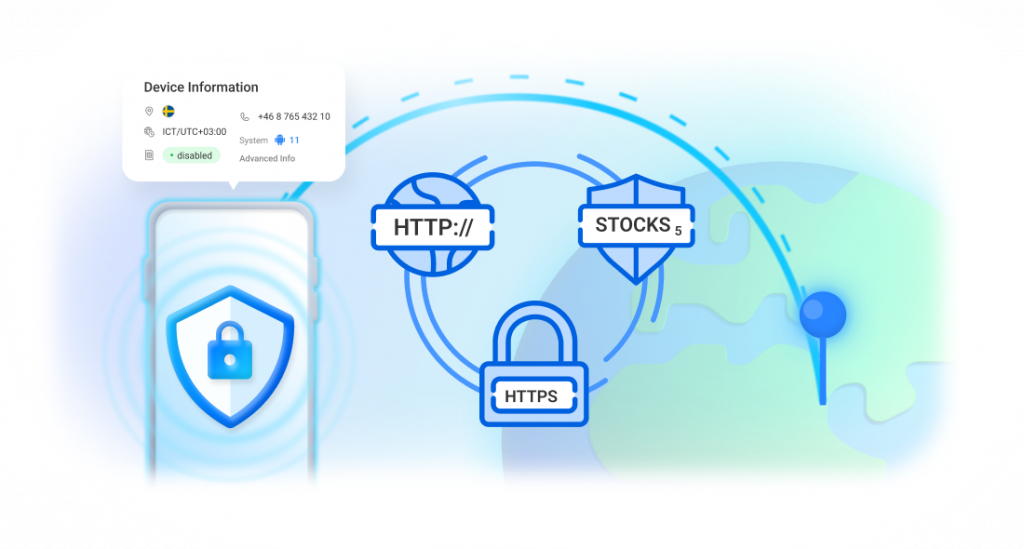
Assign proxies by account or project
Connect different proxies to different remote phones based on account group, client, market, or workflow.
Support regional workflows
Use location-specific network settings when managing local campaigns, regional social accounts, or mobile app checks.
Control and automate multiple remote phones
When your work involves many accounts or repeated mobile actions, GeeLark helps you operate remote phones more efficiently with bulk control and automation features.
Use synchronized actions, RPA workflows, APIs, and AI-assisted tools to reduce repetitive manual work across multiple Android cloud phones.

Synchronize actions across phones
Perform the same action across selected remote phones to speed up repetitive mobile workflows.
Automate routine tasks
Use RPA workflows to automate repeated steps such as opening apps, completing simple actions, or following predefined operation flows.
Connect workflows with API
Use API capabilities to connect GeeLark remote phone operations with your internal tools or business workflows.
Use AI to support content workflows
Use AI-assisted tools to help with mobile content workflows, repetitive operations, and team productivity where applicable.
Manage remote phones with your team
GeeLark is designed for teams that need to manage mobile accounts together. Instead of passing around physical devices or sharing local emulator setups, teams can access assigned remote phones from their own computers.
You can organize remote phones by project, client, platform, or region, and let team members work within the environments they are responsible for.
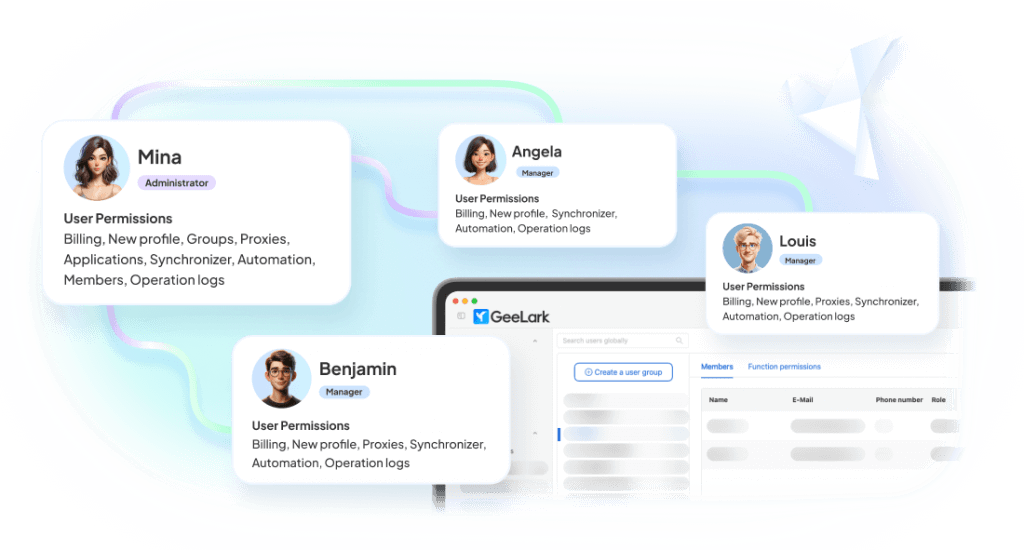
Assign work by phone profile
Create remote phones for different accounts, campaigns, clients, or markets, then assign them to the right team members.
Support remote operators
Let distributed teams manage mobile workflows without shipping devices or exposing unnecessary access.
Keep team operations organized
Use separate phone profiles and clear project structures to reduce account mix-ups and operational mistakes.
Remote Phone vs Android Emulator vs Physical Phone Farm
Teams often compare remote phones with Android emulators and physical phone farms. The right choice depends on whether you need scale, account separation, mobile app compatibility, remote access, and team collaboration.
| Feature | GeeLark Remote Phone | Android Emulator | Physical Phone Farm |
|---|---|---|---|
| Device environment | Cloud-based Android phone | Simulated Android on local computer | Real physical phones |
| Hardware required | No physical phones needed | Requires local computer resources | Requires many devices |
| Scale | Easy to create and manage multiple phones | Limited by computer performance | Expensive and hard to maintain |
| Team access | Built for remote team access | Hard to share safely | Requires physical access or complex setup |
| Account separation | Separate phone profiles for different accounts | Depends on emulator setup | Strong but hardware-heavy |
| Proxy setup | Can be configured by remote phone | Manual or tool-dependent | Manual or network-dependent |
| Automation | Supports bulk control, RPA, API, and workflows | Requires separate tools | Usually manual or complex |
| Best for | Social media, mobile app operations, multi-account workflows | Basic testing or lightweight use | Hardware-based operations at high cost |
GeeLark remote phones are best for teams that need scalable Android environments without maintaining physical devices or relying only on local emulators.
What can you do with GeeLark remote phones?
GeeLark remote phones support mobile-first workflows where teams need separate Android environments, account organization, proxy setup, and remote access.
Explore more GeeLark solutions

FAQs
How social media teams scale with GeeLark
Get started in 3 simple steps
Sign up
Download
Login in App
Start managing remote Android phones with GeeLark
Create cloud-based Android phones, manage mobile apps and social media accounts, configure proxies, automate repetitive work, and collaborate with your team from one computer.
